James 4:6 (AMPC)
“God resists the proud, but gives grace to the humble.”
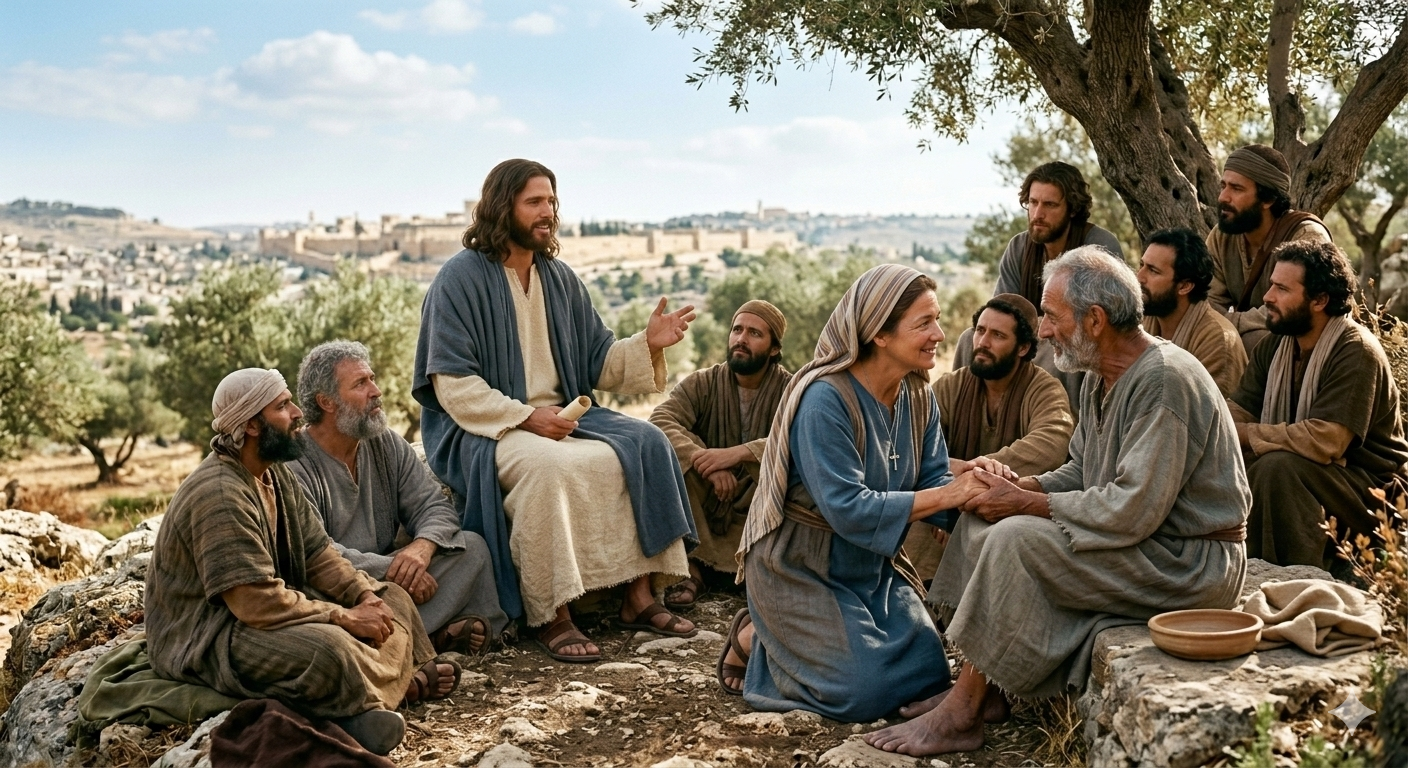
Peter never intended to become proud but it happened quietly and subtly, like a dew falling upon a dirty vehicle. At first, it was just a small, flattering word here, and a compliment there. People noticed his diligence, his devotion, his sincerity, and they genuinely spoke about it. Their words, though kind, began to take root in his heart and he did not resist them. Nobody would refuse to be noticed or valued.
As time passed, expectations also began to grow. People started looking to him for guidance, counsel, and visible signs of spiritual strength, and without realizing it, he began to meet those expectations, not merely to serve the LORD, but to protect a reputation he was quietly building without anyone knowing.
Slowly, his prayers shifted as they started changing from being the original broken whispers of desperation and dependence he used to have into polished expressions that are now well-crafted and pleasing to hear. They became prayers that sounded holy, but no longer trembled with the raw honesty of need he used to possess.
He was afraid of appearing weak before the people more than he feared displeasing the LORD. In doin this, his heart measured every word, every gesture, every act of service by what it looked like to others, not if the LORD really wanted those things done. He still prayed, but the trembling in his spirit was gone. He still served, but the tears that once flowed freely had dried up. His devotion remained, yet the intimacy with God had started fading away.
Pride is so subtle that it does not always come like a thief in the night, it rather comes like a teacher that shows us how to look anointed without staying consecrated, how to speak faith without confessing true need, how to carry a reputation while having no communication with the cross. It works quietly, reshaping the hearts of the undiscerning before the mind ever notices. It whispers that what matters is appearance, that the approval of man is a safe substitute for the approval of God.
The danger of pride is subtle and deceptive. Silence before God begins to feel uncomfortable, waiting begins to feel unnecessary, brokenness feels unproductive and dependence on God becomes inconvenient. Pride will make you believe you are doing well, that your prayers are sufficient, that your effort is enough.
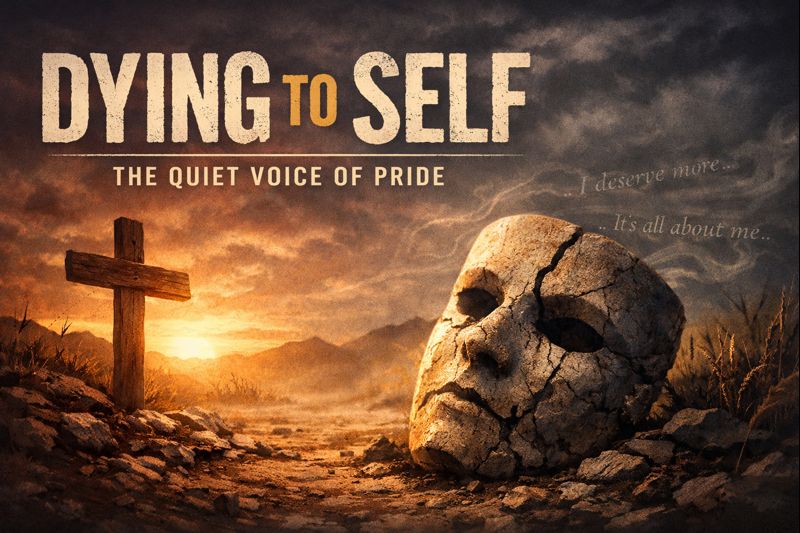
The call to die to self is not sudden, dramatic, or loud. It is daily. It is quiet. It is refusing the applause, stepping aside from recognition, surrendering control, and choosing God’s approval over human praise. It is laying down the mask we hide behind and allowing God to see the real, vulnerable, dependent heart beneath. True dying to self begins in unseen places, in the heart, in moments when no one is watching, choosing God’s will over human expectations, humility over honour, dependence over independence, brokenness over comfort and surrendering the secret places of pride.
Pride often grows in the shadows, and only the light of God’s refining Spirit can reveal it. To die to self is to embrace that light, even when it exposes weakness, when it costs comfort, and when it demands surrender; only then can we pray with trembling, serve with tears, and live with a heart fully dependent on God alone.
Practical Application
Today, deliberately practice humility by praying alone, without performance or rehearsed words. Acknowledge your weakness before God and give God credit openly for anything good people praise you for.
Confession
Father, I humble myself before You. I reject pride in all its subtle forms—self-reliance, image-consciousness, and the fear of appearing weak. I declare my absolute dependence on You. Without You, I am nothing; with You, I have all I need. I receive grace to walk humbly, sincerely, and truthfully before You.
Related Scriptures: Proverbs 16:18; Micah 6:8
Weekly Bible Reading: Genesis 3