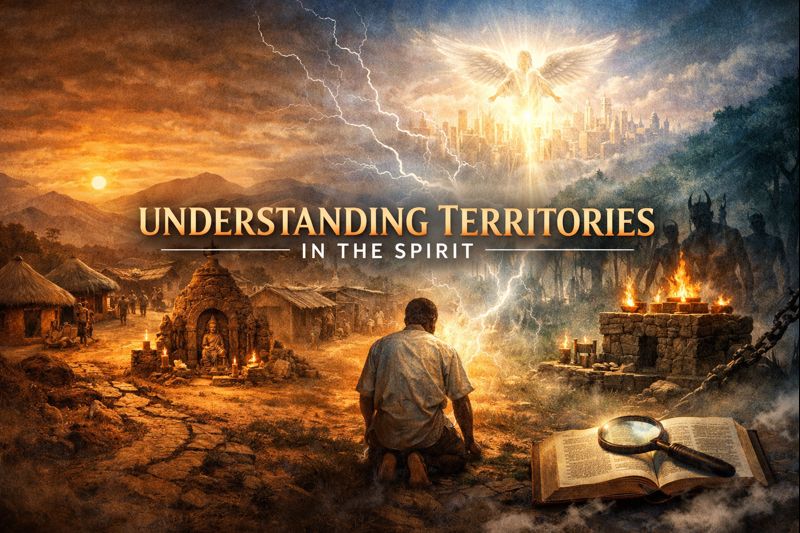
The city was never quiet. By day, it buzzed with commerce, religion, and ambition. By night, it carried secrets too heavy for the streets to confess. Places of worship multiplied, yet reverence for God was becoming thinner. Many who spoke loudly of God lived privately without restraint. Wealth appeared suddenly, unexplained but celebrated. Stories circulated about rituals being performed in darkness, blood exchanged for influence, young men mastering deception through glowing screens, and moral lines erased in the pursuit of power.
In the midst of all these, an intercessor walked through the streets for years, burdened but observant. At first, the prayers were simple: for repentance, for revival, and moral change. Yet nothing truly shifted because leaders still fell, while others replaced them, and the same decay resurfaced. It became clear that the city was not merely struggling with sin but responding to an unseen order that rewarded corruption and punished righteousness.
One morning, while praying from an elevated place, understanding came to him.
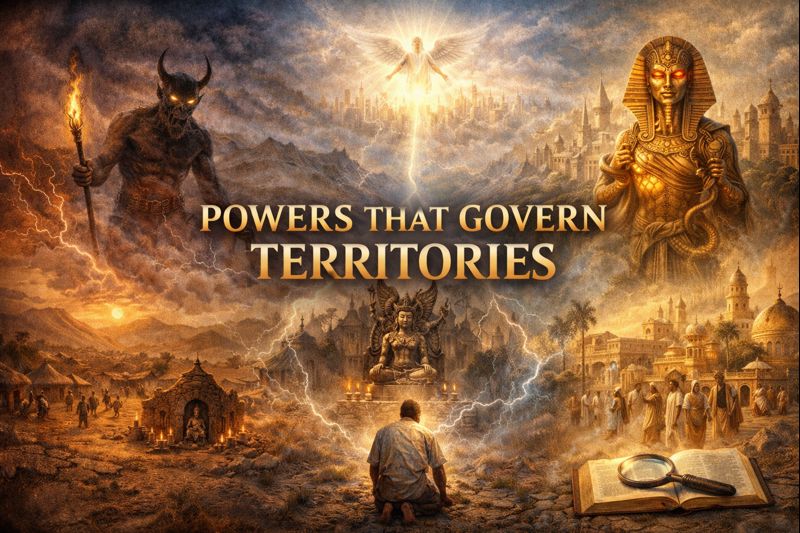
What governed the city was not chaos but structure; powers older than present institutions settled into the land, shaping appetites, normalizing immorality, and dulling the conscience of men who ought to fight against corruption. These powers were content with people being religious, provided the city remained powerless. They actually tolerated prayer – to sound and look spiritual but as time went on, the prayer began to lack alignment and authority.
Despite this, the solution also became clearer to the intercessor.
These powers could not be confronted by reform alone, but by disciplined priesthood. Intercession had to be intentional. Holiness had to be restored, beginning with those who claimed to speak for God. Faithful men and women had to stand in their assigned spheres, praying over streets, homes, institutions, and marketplaces. Authority had to be enforced consistently, until the atmosphere began to shift because change came, not suddenly, but surely, as light pressed against darkness.
Territories are influenced by spiritual powers that operate beneath visible systems.
When immorality, deception, violence, and exploitation persist across generations, it simply points to governance beyond human weakness and we must understand that our conflict is not with flesh and blood, but with organized spiritual forces that resist God’s purposes.
When believers fight only what they can see, they exhaust themselves. Moral outrage without spiritual authority produces noise, and not transformation. The presence of religion does not guarantee righteousness because without priesthood, religion will end up becoming decoration for darkness.
The way forward is not fear, denial, or withdrawal. The answer is discernment and priestly engagement. Christ has already triumphed over powers, and that victory must be enforced through prayer, obedience, truth, and consecrated living; as disciples stand rightly before God and consistently engage their environment, territorial powers lose influence and the conscience of the city can be restored.
Related Scriptures: Ephesians 6:12–13; Daniel 10:12–13; Luke 10:19; 2 Corinthians 10:3–5; Colossians 2:15; Psalm 24:1
Confession: I acknowledge the spiritual realities governing my territory, but I stand in the authority of Christ. I refuse compromise, distraction, and fear. Through prayer, holiness, and obedience, I enforce Christ’s victory. Darkness will not define my city; the Kingdom of God will be revealed through my life, in Jesus’ name.
Weekly Bible Reading: Genesis 5