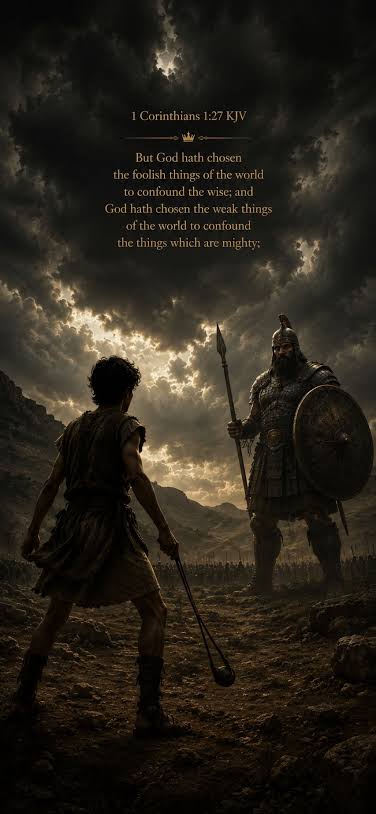
1 Corinthians 1:27 (KJV)
“But God hath chosen the foolish things of the world to confound the wise; and God hath chosen the weak things of the world to confound the things which are mighty.”
Have you ever felt too weak, inexperienced or unqualified for something you strongly believe God is asking you to do? Have you ever wondered why God would choose you when there seem to be so many people more capable? The truth is, God’s choice is not always based on what we see in ourselves. Sometimes, the very people who doubt their ability are the ones God chooses to demonstrate His strength and glory.
One thing we must understand about God’s calling is that He does not always choose people based on their qualifications, abilities, background or achievements. Sometimes, He calls people who do not even consider themselves capable of fulfilling the assignment. This is because God’s work is not sustained by human ability alone, but by His grace and power.
When God called Moses to deliver the Israelites from Egypt, Moses immediately began to give reasons why he was not the right person for the assignment. He questioned his ability to speak and wondered why Pharaoh would listen to him. Yet, God’s response was not to remind Moses of his qualifications but to assure him of His presence. In Exodus 3:12, God said, “Certainly I will be with thee.” The assurance of God’s presence was greater than every limitation Moses could identify.
And Moses was not the only one who struggled to see himself as capable of God’s assignment. We see something similar in the life of Gideon. When God called him a mighty man of valour, Gideon could only see his family’s low position and his own insignificance (Judges 6:11–16). He struggled to understand how someone like him could deliver Israel. But God saw beyond Gideon’s present condition and called him according to what He intended to accomplish through him. What Gideon saw as a limitation did not change what God had appointed him to do.
These examples teach us that our weaknesses do not necessarily disqualify us from God’s purpose. There may be areas where we lack experience, confidence, knowledge or ability, but when God calls, He is also able to equip us. He can develop what is lacking, strengthen what is weak and provide what is needed for the assignment. Our responsibility is not to depend on ourselves but to trust Him and remain willing to obey.
However, being called despite our limitations does not mean we should remain unwilling to grow or prepare. God’s grace does not excuse laziness or carelessness. As we depend on Him, we must also be willing to learn, develop our gifts, receive correction and become better equipped for the work He has entrusted to us.
The truth is, God does not need us to have everything figured out before we obey Him. He desires a willing heart, a teachable spirit and a life that is available to Him. When He calls, our confidence should rest not in how qualified we think we are, but in the faithfulness and sufficiency of the One who has called us.
Reflection
Have I allowed my weaknesses, fears or feelings of inadequacy to make me doubt God’s calling? Am I willing to trust Him, learn and grow as He prepares me for His assignment?
Key Point
God’s calling is not dependent on our human qualifications. He is able to equip those He calls, but we must remain willing, teachable and obedient.
Confession
My limitations will not make me doubt God’s ability.
I am strengthened by His grace and empowered by His Spirit.
I have a willing and teachable heart.
I will fulfil God’s assignment through His help and strength.
Prayer
Father, thank You because Your calling is greater than my limitations. Help me to stop allowing fear and feelings of inadequacy to hinder my obedience. Equip me for every assignment You have committed to me. Give me a teachable heart, the willingness to grow and the courage to trust Your leading. May Your strength be made perfect in my weakness. In Jesus’ name, Amen.
Related Scriptures
Exodus 3:1–12, Judges 6:11–16, 1 Samuel 16:1–13, Jeremiah 1:4–10, Matthew 4:18–22, Philippians 2:13