Beyond gathering crowds to making disciples and establishing a lasting Gospel witness.
There is a question the Church must honestly ask herself: What happens to a village after the crusade is over?
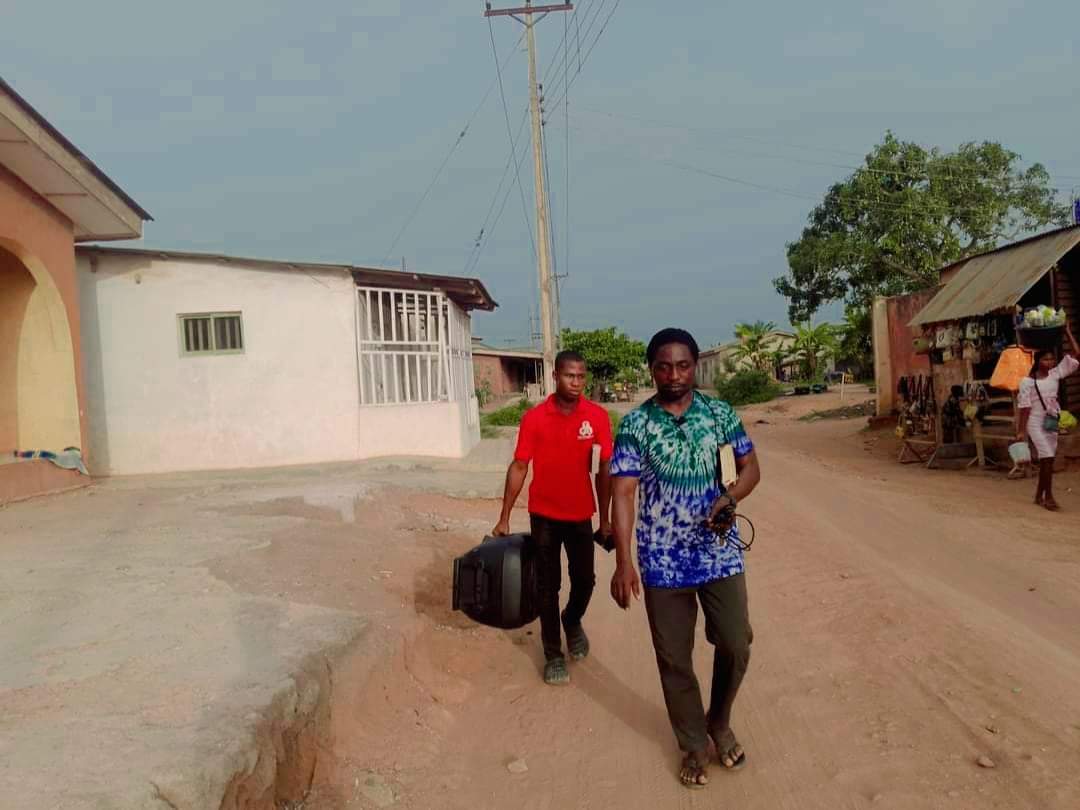
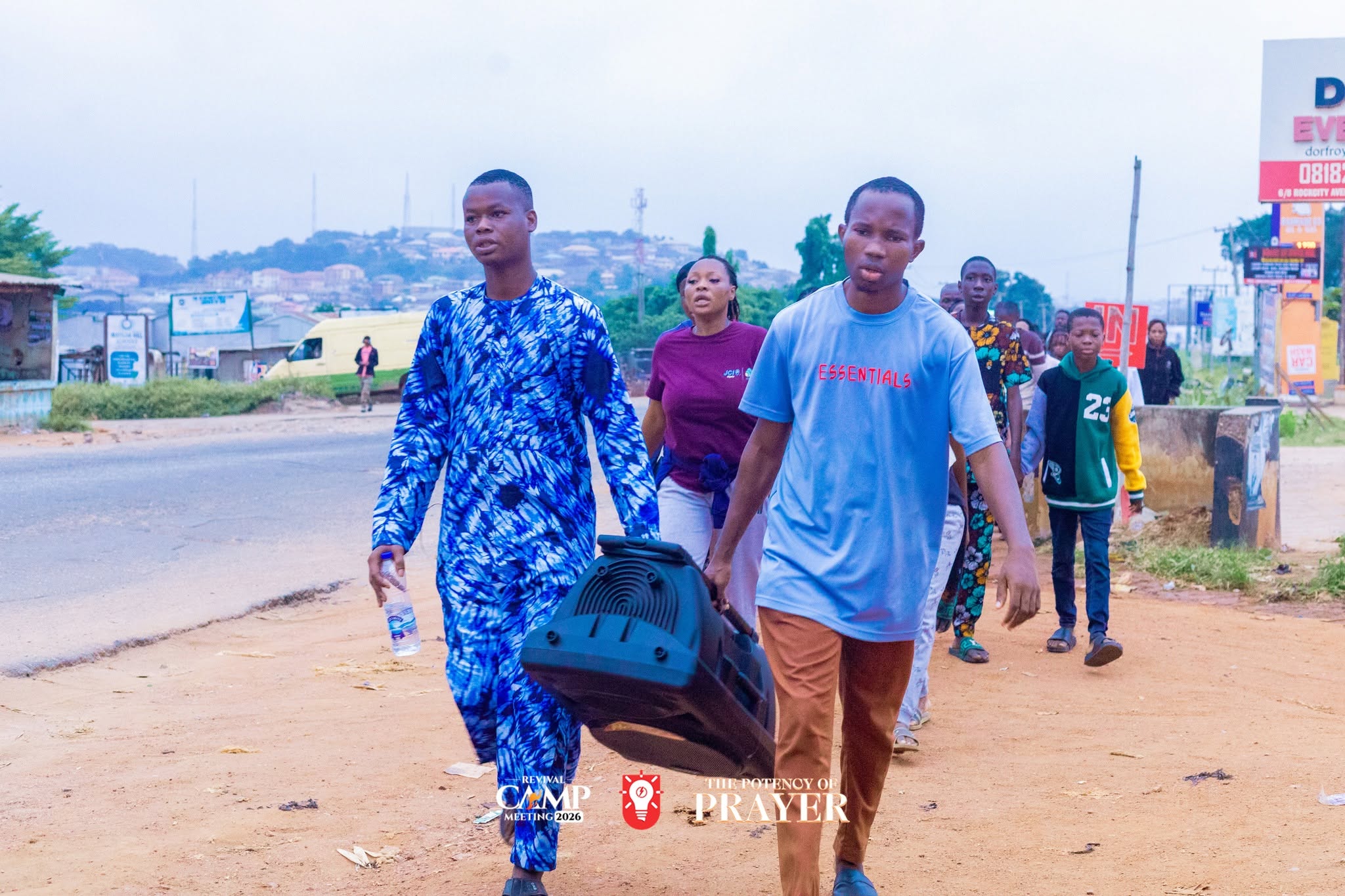
The evangelistic team has arrived. The sound system has been set up. The banners have been raised. The Gospel has been preached, people have prayed, and they have responded to the altar call. For a few days, the village experiences the activities of an evangelistic campaign, then the programme ends. The equipment is packed, the team returns to the city, and life gradually returns to its usual pattern.
But what happens to the people who heard the Gospel?
Who follows up with those who made professions of faith?
Who teaches them the foundations of the Christian faith?
Who helps them understand repentance, salvation, holiness, and the demands of following Jesus Christ?
Who gathers them for prayer, teaches them the Scriptures, and walks with them through the struggles of their new faith?
Who remains in that village to ensure that the light of the Gospel continues to shine after the evangelists have departed?
These are not minor questions but matters that strike at the heart of our missionary responsibility as the Church.
Rural communities don’t merely need visits from the Church; they need a faithful and enduring witness of the Gospel.
THE VALUE AND LIMITATION OF CRUSADES
We must understand that evangelistic crusades have their place in the work of God because they provide opportunities to preach Christ publicly, reach many people at once, and bring the Gospel into communities where it may not have been adequately preached. It is therefore important for us not to despise any legitimate opportunity we have to make Christ known.
However, we must also recognize that a crusade, by itself, cannot accomplish everything required to establish people in the faith.
The Great Commission is not limited to preaching the Gospel and gathering a response. In Matthew 28:19–20, the Lord Jesus commanded His disciples to make disciples of all nations, baptizing them and teaching them to observe everything He had commanded.
If you take note, you will observe that the command includes teaching people to obey Christ. The work does not end when the message has been preached, rather, it continues as people are being discipled, grounded in the truth, and helped to live as followers of Jesus.
Paul’s ministry provides another picture of this responsibility. In Acts 14:21–23, Paul and Barnabas preached the Gospel in different cities, made many disciples, returned to strengthen them, encouraged them to continue in the faith, and appointed elders in the Churches.
They did not regard the initial preaching of the Gospel as the completion of their assignment, they were more concerned about the continued spiritual health of those who had believed.
This is a vital lesson for rural missions that we must take note of so we don’t waste resources doing what has no enduring value. We must never measure the success of our missionary efforts only by the number of meetings we have held, the crowds that gathered, or the number of people that are recorded as having responded to altar call. We must also ask whether people are being discipled, whether local believers are growing in the faith, and whether a lasting Christian witness is being established.
THE NEED FOR CONTINUOUS DISCIPLESHIP
One of the great challenges of rural evangelism is what happens after people hear the Gospel. A person may hear a sermon, respond sincerely, and desire to follow Christ. Yet that person still needs to learn the Scriptures, understand the Christian faith, develop a life of prayer, grow in holiness, and learn to obey the Lord in everyday life.
This is why discipleship cannot be treated as an optional addition to evangelism because it is part of the assignment Christ gave His Church.
In many rural communities, believers have limited access to sound Bible teaching, Christian literature, trained ministers, or a nearby congregation where they can grow spiritually. Where these opportunities are absent, the Church must think critically and proactively about how to provide continued teaching and pastoral care.
We cannot simply preach to people, leave them without spiritual support, and assume everything necessary has been accomplished.
The Apostle Peter exhorted believers to desire the sincere milk of the Word so that they might grow (1 Peter 2:2). Growth requires nourishment. New believers need the Word of God, the fellowship of other Christians, prayer, correction, encouragement, and opportunities to serve.
The question, therefore, is not merely whether we have preached in a village, it is whether we have made provision for those who have heard to be established in the faith.
THE NEED FOR A LOCAL CHURCH
The local Church is central to the continuing work of the Gospel. When a missionary team visits a village for a few days or weeks and leaves without establishing any form of continuing Christian fellowship, the people who desire to follow Christ may have no clear place to gather, learn, worship, and grow together.
A local Church provides a community in which believers can receive the teaching of God’s Word, pray together, encourage one another, practise Christian fellowship, and grow in their understanding of what it means to follow Jesus.
This does not mean that every community must immediately have a permanent Church building. A Church can begin with a small gathering of believers meeting in a home, under a tree, or in another suitable place. What matters is not the appearance of a building but the presence of a faithful, Scripture-grounded Christian community.
In Acts 2:42, the early believers continued steadfastly in the apostles’ doctrine, fellowship, breaking of bread, and prayers. Their Christian life was not built around occasional religious events. They were a people committed to continuing together in the faith.
The kind of foundation rural missions must seek to establish is that where we don’t just hold a successful event, but labour to have a growing community of disciples who worship Christ, learn His Word, and bear witness to Him.
THE IMPORTANCE OF RAISING LOCAL LEADERS
Another weakness of missions that depends entirely on occasional visits is that the work may remain dependent on outsiders. Missionaries travel long distances to reach a village. They may preach, teach, distribute Bibles, and organize evangelistic meetings. These labours are valuable, but if no attention is given to identifying, discipling, and preparing faithful local believers, the work may struggle to continue when the visiting team is absent.
Paul instructed Timothy to commit the things he had received to faithful people who would be able to teach others also (2 Timothy 2:2). This reveals a pattern of multiplication whereby the truth is received, entrusted to faithful people, and passed on to others.
Rural missions must therefore include the patient work of raising local disciples and preparing suitable leaders. These believers understand their language, culture, relationships, and community in ways that visiting missionaries may not. With sound biblical training, pastoral support, and accountability, they can become vital instruments for the continued spread of the Gospel. The goal should not be to make a community permanently dependent on a visiting missionary, it should be to see the Gospel take root, disciples mature, and healthy local churches become capable of continuing the work faithfully.
THE NEED FOR LONG-TERM COMMITMENT
Some communities require repeated visits before trust is established. Others require patient engagement across language and cultural barriers. Some need sustained teaching before a local fellowship can develop. In certain places, the work may involve training believers, helping them find suitable meeting arrangements, providing Scriptures, or identifying people who can shepherd the emerging congregation.
This requires commitment beyond the excitement of a single programme. Missionary work is not always dramatic. Much of it involves returning to the same community, teaching the same foundational truths, answering questions, praying with people, correcting misunderstandings, and patiently building relationships.
The Apostle Paul described his concern for the churches as a daily burden (2 Corinthians 11:28). His ministry was not simply about reaching new places; he also cared deeply about the spiritual condition of the believers in those places.
The Church must recover this understanding of missions. We need workers who will go, but we also need workers who will remain long enough to establish the work, return consistently to strengthen it, and ensure that local believers are not abandoned after an evangelistic campaign. Long-term commitment does not necessarily mean that every missionary must live permanently in every village. It means that every missionary effort should have a responsible plan for follow-up, discipleship, pastoral care, and the continued development of the work.
A CALL TO THE CHURCH
The question before us is not whether we should hold crusades. We should preach Christ wherever God gives us an opportunity but the question is whether we are willing to take responsibility for the work that must follow.
Can we move from occasional visits to intentional Gospel engagement?
Can we move from counting responses to making disciples?
Can we move from conducting programmes to establishing healthy local churches?
Can we move from depending entirely on visiting ministers to preparing faithful local believers who will continue the work?
Rural communities must not be treated as destinations for occasional religious activities. They are communities of people who need to hear the Gospel, understand the truth, grow in Christ, and have the opportunity to gather as His people.
The missionary task is not complete simply because a crusade has ended. The work continues in the homes where the Scriptures are taught, in the small gatherings where believers pray, in the lives of new converts being discipled, and in the patient preparation of local leaders. The Church must learn to think beyond the event and embrace the entire work of making disciples.
Until the last village hears, we must keep going, and when the Gospel has been preached, we must not forget those who have heard.
Let us not only visit communities with the Gospel, let us labour to see the Gospel take root in them.