“But when he was yet a great way off, his father saw him, and had compassion, and ran, and fell on his neck, and kissed him.” -Luke 15:20 (KJV)
One of the greatest truths we can ever come to understand about God is that His love is deeper than our failures, and His compassion reaches us even in our brokenness. Many people know that God loves them, but not everyone has truly understood the depth of that love. Sometimes, our understanding of God’s love is shaped by how well we think we are doing spiritually. When we pray consistently, obey His instructions, and feel close to Him, we find it easy to believe that He loves us. But when we fail, struggle with sin, become spiritually weak, or make decisions we later regret, we may begin to feel unworthy of His love.
This is why the parable of the prodigal son is such a beautiful picture of the Father’s heart.
In Luke 15, Jesus tells the story of a young man who asked his father for his share of the inheritance and then travelled to a far country. There, he wasted his possessions in reckless living. Eventually, everything he had depended on was gone. A famine arose, and he began to experience need. The young man who once had plenty found himself in a place of humiliation, hunger, and desperation.
His situation was not merely a financial problem. His choices had taken him far from the security and fellowship of his father’s house. He had pursued what he wanted without considering the consequences, and now he had to face the reality of his decisions.
Sometimes, we also find ourselves in places we never imagined we would be. It may not be through a physical journey to a distant country, but through choices, distractions, disobedience, or a gradual neglect of our relationship with God. We may become so occupied with other things that we lose the intimacy we once enjoyed with Him. We may make decisions that leave us wounded, ashamed, or spiritually distant.
Yet, one beautiful thing about this story is that the young man’s failure was not the end of his story.
Scripture tells us that he came to himself. He recognised his condition and decided to return to his father. He did not return because he had suddenly become deserving of everything he had lost. He returned because he recognised that there was provision in his father’s house and that he could no longer continue living the way he had been living.
This is an important part of understanding God’s love. His love does not mean that our choices are without consequences, nor does His compassion mean that He approves of everything we do. Rather, His love invites us to turn away from what destroys us and return to Him.
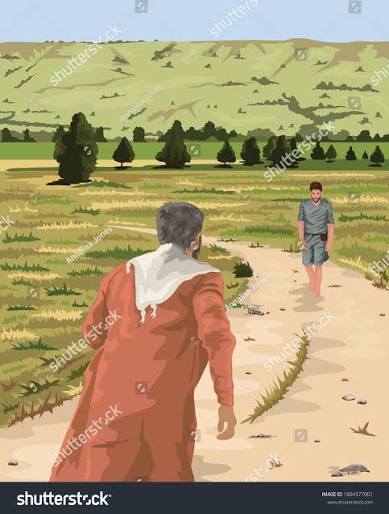
Notice what happened when the young man returned. The Bible says that while he was still a great distance away, his father saw him, had compassion on him, ran to him, embraced him, and kissed him.
The father did not wait for his son to finish a perfect speech before showing him compassion. He did not stand at a distance and demand that the young man first prove himself worthy of being received. He saw him coming and responded with love.
This does not mean the son’s wrongdoing was irrelevant. His actions had consequences, and he had acknowledged that he had sinned. But the father’s response shows us that his relationship with his son was not reduced to the son’s worst decision.
What a picture of the compassion of God!
God sees beyond the moment of our failure. He knows our weaknesses, understands our struggles, and sees the places where we have fallen short. Nothing about our condition is hidden from Him. Yet, when we sincerely turn to Him, we do not meet a Father who delights in our destruction. We meet the God who calls us to repentance and offers mercy.
Sometimes, guilt can make us withdraw from God. We may feel that because we have failed, we should stay away until we can somehow make ourselves better. We may think we need to put our lives in order before we can pray sincerely again. But this is not the way of grace. We do not become whole by hiding from the One who can restore us.
The son returned to his father while he was still in need. He did not first make himself wealthy again or find a way to replace everything he had wasted. He came as someone who needed mercy.
In the same way, we can come to God honestly. We can confess our sins, acknowledge our weaknesses, ask for His help, and receive His correction. We do not need to pretend to be stronger than we are. We need a sincere heart that is willing to return to Him.
The father’s compassion was also expressed through his actions. He called for the best robe, a ring, and shoes for his son, and he ordered a celebration. The father did not merely allow the young man to stand outside the house. He welcomed him into fellowship again.
This reminds us that God’s compassion is not simply a feeling of pity. His love moves Him to act according to His character and purpose. Throughout Scripture, we see God showing mercy, restoring the repentant, comforting the brokenhearted, and drawing people back to Himself.
We must also remember that this parable is not a promise that every earthly consequence will disappear immediately when we repent. Sometimes, restoration involves healing, rebuilding trust, accepting responsibility, and learning to walk differently. But our failures do not have to define the rest of our lives. Through God’s grace, repentance can become the beginning of a new direction.
Beloved, perhaps you have been carrying the weight of something you regret. Perhaps you have wondered whether God is tired of your struggles or whether you can still draw near to Him after making mistakes. Remember the father in this story. His compassion did not encourage the son to remain in the far country; it welcomed him home when he returned.
Do not mistake God’s correction for the absence of His love. Do not mistake a season of struggle for proof that He has abandoned you. Let His Word reveal His character to you, and let His love lead you into sincere repentance, deeper fellowship, and a life of obedience.
The love of God is not permission to continue in wrongdoing. It is the grace that calls us out of it. His compassion does not make sin insignificant; it reminds us that our story can continue beyond our failure when we return to Him.
The Father is not asking you to pretend that you have never fallen. He is calling you to come to Him truthfully, receive His mercy, and allow His love to lead you into restoration.
Reflection
When I fail or become spiritually weak, do I draw near to God in sincere repentance, or do I allow guilt and shame to keep me at a distance from Him?
Key Point
God’s love and compassion are revealed in His willingness to receive those who sincerely return to Him. His love does not excuse sin; it invites us to repentance, restoration, and a renewed walk with Him.
Confession
I am loved by God, and His compassion is abundant towards me.
I will not allow shame to keep me from returning to Him.
I receive grace to repent sincerely and walk in obedience.
My failures will not become an excuse to remain far from God.
By His mercy, I will grow in my relationship with Him and reflect His love to others.
Short Prayer
Father, thank You for Your great love and compassion towards me. Thank You because You see my weaknesses and know my struggles, yet You call me to draw near to You. Forgive me for the times I have allowed guilt, shame, or fear to keep me at a distance from You. Give me a sincere heart that is willing to repent, receive correction, and follow Your ways. Help me never to take Your mercy for granted, but to let Your love transform my heart and my conduct. Teach me to extend compassion to others as I continue to understand the depth of Your compassion towards me. In Jesus’ name, Amen.
Related Scriptures
Exodus 34:6–7, Psalm 103:8–14, Isaiah 55:6–7, Lamentations 3:22–23, Micah 7:18–19, Luke 15:11–24, Romans 2:4, Ephesians 2:4–5, 1 John 1:9