“But she said, Yea, Lord: yet the dogs under the table eat of the children’s crumbs.” – Mark 7:28
She was eleven years old when she started working ten-hour days in the jute mills of Dundee, Scotland, because her father drank away what little the family had. By fourteen, two brothers and her father were gone, dead from illness, leaving Mary and her mother to hold the household together. There was nothing in that childhood that looked like the beginning of a missionary legend but only hardship, and a mother’s faith that refused to break under it.
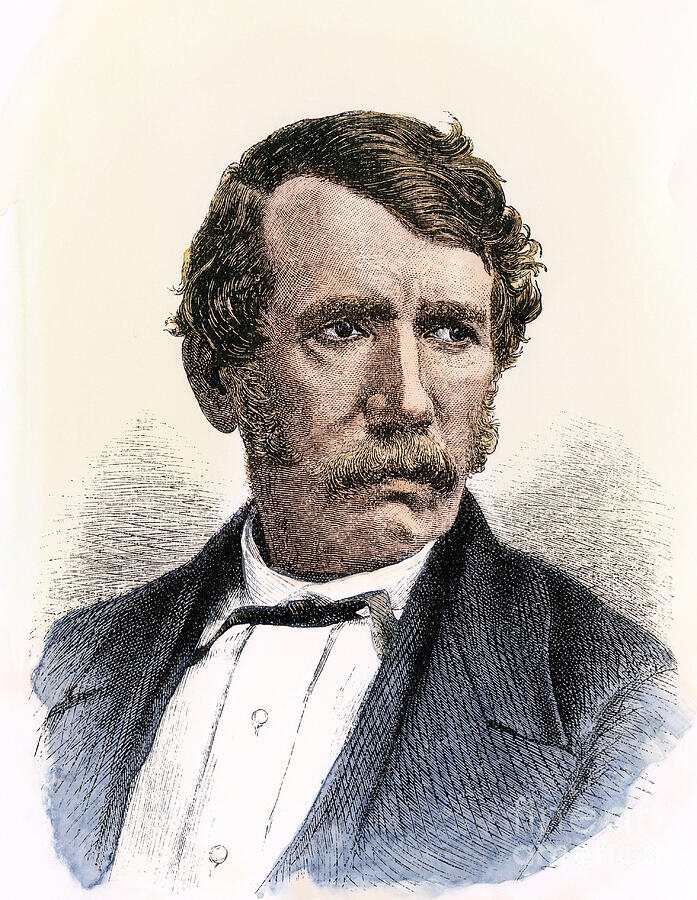
When the news came in 1874 that David Livingstone had died in Africa, something moved in her that she couldn’t ignore. In 1876, at twenty-eight, she sailed for Calabar which was a stretch of coast the British themselves called “the white man’s grave.”
For her first years, Slessor did what missionaries were expected to do: taught school, worked in the outpatient clinic, stayed inside the mission compound in Duke Town. But she wanted to be the interiors, the places nobody else would go, and in 1888 the mission board finally let her go there. She moved to Okoyong, a territory that had already killed male missionaries who tried to enter it. Her reasoning was simple and unflinching: as a woman, she believed she’d be seen as less of a threat. She went alone into a place that had already proven it could kill the men sent before her.
What she found waiting there was a belief system that turned newborn twins into a death sentence.
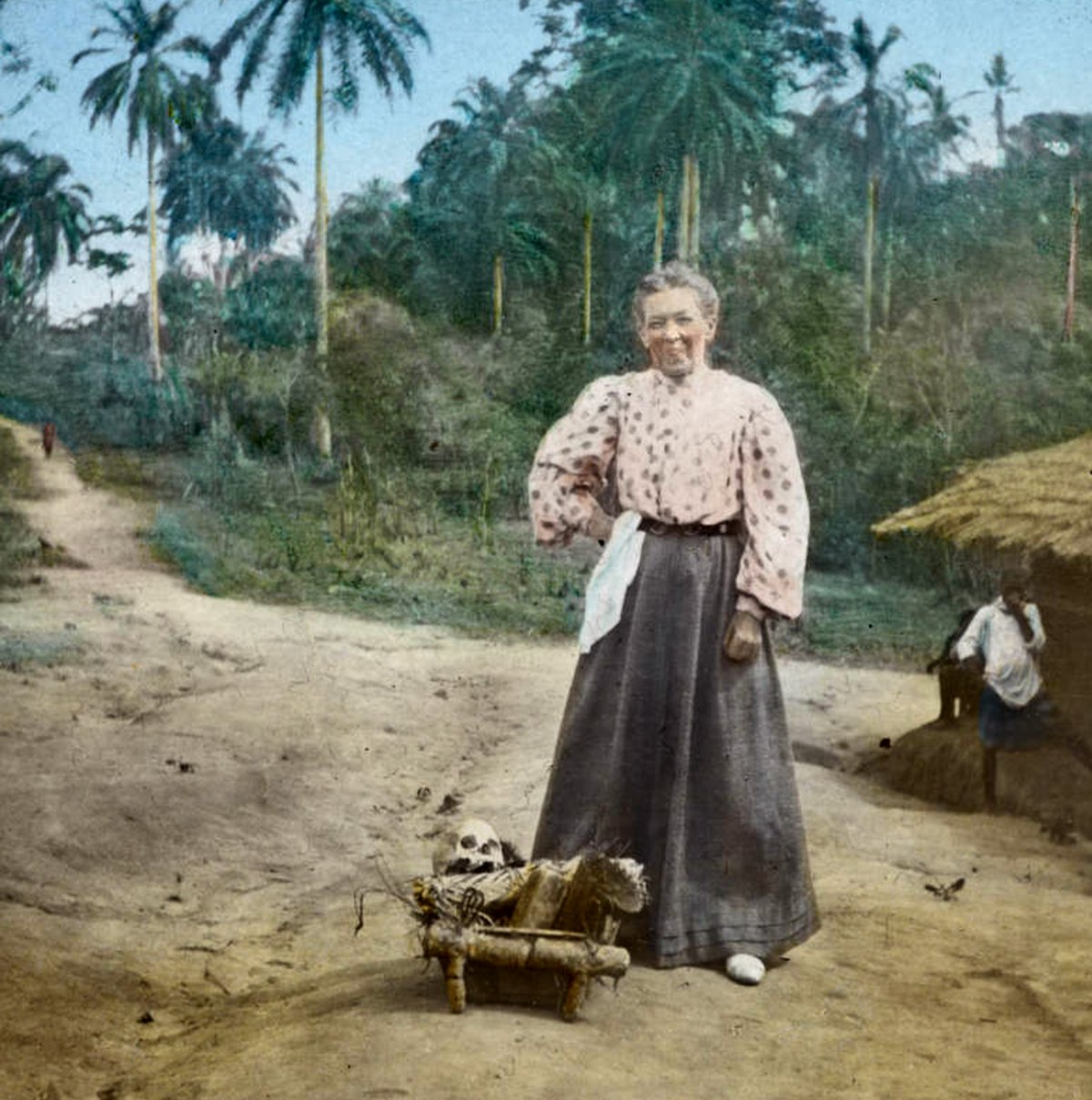
The Efik and Okoyong peoples believed one twin was fathered by an evil spirit, and since no one could tell which one, both were abandoned in the bush to die, often left in clay pots, and the mother herself was frequently cast out of the community along with them. Slessor did not simply preach against this, she also physically intervened, again and again, pulling infants out of the bush herself, taking them into her own house, raising some as her own children. One of the boys she saved did not survive; she kept his twin sister, named her Janie, and raised her as her daughter. By the time Slessor’s work in Okoyong was done, her home had become, in the words of those who saw it, a compound alive with several rescued babies.
She did not stay behind mission walls to do this work. She learned Efik fluently, ate what the people ate, dressed like them, cut her hair short for practicality, and lived in a traditional house rather than a colonial one. She earned something more than converts; she earned the trust of the people so deep that in 1892 the British government made her vice-consul of Okoyong, putting a Scottish millworker’s daughter in charge of presiding over the native court, settling disputes the community itself brought to her. They called her Obongawan Okoyong which means Queen of Okoyong. It was not a title Britain gave her, but one the people gave her themselves.
Her body paid for every mile of it. Malaria never fully left her system after her first bout. She was invalided home to Scotland again and again in the years 1879, 1883, 1898, 1907, with her each time recovering just enough to insist on returning. She once became engaged to a fellow missionary, Charles Morrison, but even that relationship could not survive the demands the field placed on her; he was invalided home permanently and she stayed. At fifty-five, when most missionaries would have called their work finished, she moved even further inland to Itu, taking her seven adopted children with her, to begin again among the Igbo people who had never heard the Gospel preached in their own territory.
She died on the 13th of January, 1915, in a mud hut in Use Ikot Oku, thirty-nine years after she first stepped off the boat at Calabar. She was sixty-six.
The British colonial government gave her what amounted to a state funeral, flags lowered to half-mast for a millworker’s daughter who never held a formal theology degree and never once, in nearly forty years, stopped choosing the harder, more remote assignment over the safer one.
Slessor did not wait for the “right qualifications” or a comfortable entry point. She was told Okoyong had already killed missionaries. She went in anyway, alone, unmarried, unprotected and believing that obedience mattered more than safety.
We have unfortunately built a Nigerian Christianity that waits for platforms, for followers, for the right conditions before it will move. Slessor moved into a territory that had a body count and stayed until her own body gave out.
Ask yourself: is there a “Okoyong” in your own life that you’ve been avoiding, not because God hasn’t called you there, but because you’re waiting for it to feel safer first?
Think about it.